Why I'm running to be Director General of the BBC
Our public broadcaster belongs to us, the people - it's time to bring the BBC back into our hands. A guest post from Love Ssega. #SsegaForDG
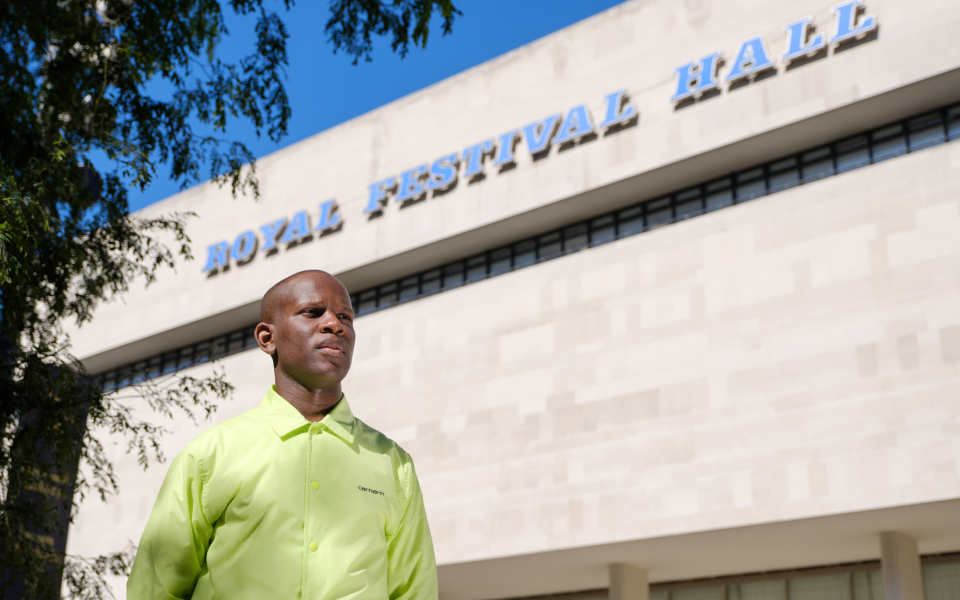
On 30th January 2026 I, musician and artist Love Ssega released a short video on Instagram announcing that I have applied for the role of Director General of the British Broadcasting Corporation.
That’s right, I’ve thrown my hat well and truly in the ring. Why, you might reasonably ask, would I put myself forward to lead our cherished public service broadcaster? What experience do I have to run the BBC!?
It’s a fair question. My answer is a simple one: I’m an artist, not a stuffed shirt or political appointee. I’ve spent my career making work that speaks to people, connects to their everyday lives, takes risks, and challenges abuses of power. I have spent years creating, collaborating, listening, adapting and understanding how culture lands in the lives of real people. Trust, relevance and imagination are the BBC’s most precious qualities, right? I believe my experience makes me as qualified as anyone.
Without drawing too heavy a parallel, it’s worth noting that the BBC’s first Director General, John Charles Walsham Reith, was, like me, not a broadcaster either. He was an engineer by training (an actual parallel) and famously acknowledged his lack of experience in the industry he helped shape so profoundly. What he brought instead was a vision for what a public broadcaster could (and should) be at the heart of a nation.
The power of the arts
I care deeply about the power of the arts to transform and connect across borders, background and identities, and to give a voice to those who might otherwise go unheard. I believe culture is not a decorative extra but a public good, and that all of us, not just politicians or career executives, have a role to play in the future of our public institutions.
I also love the BBC and all it has brought us as a nation, for the standards it sets, the talent it’s nurtured, and the risks it’s been willing to take. At its best, the BBC reflects who we are as a nation, and helps us become something better. I fear we’re forgetting all that it’s given us over the years, and how important it is that at its core we, the general public, own it. It’s ours, all of ours, and we need to protect it, and what it could be.
A starter for ten
So, this is a starter for ten. My aim is to begin a vital conversation, and to bring the public’s voice back into one of the most important public service appointments there is. The BBC needs to be cherished, protected and revitalised. Like the NHS it is too important to be stripped apart and damaged from within or without. Having a creative career in an era dominated by asset-stripping – aka the ‘streaming industrial complex’ – and by non-UK-owned tech companies and tech bros is a massive challenge of our time. We need to protect the BBC to reverse the forward march to AI-slop, fake news and social disenfranchisement.
So, what would I do if I got the job? Ok, let’s get right to it. If I were to become Director General…
Six key reforms
1: Make the process transparent
Democratise the application process going forward, and build transparency into the role.
Who is the Director General? You might know, but do you know what their vision is? How do they inspire the 21,000 staff they oversee? What is their responsibility to the general public? Aside from speaking to MPs and parliament every now and again, when was the last time we heard directly from them, outside of a scandal? Not just in London but across the four nations?
And why is the process to choose a Director General entirely behind closed doors? Why was the application process so short – the deadline set for 31st December 2025? And if it really is our BBC, why is it that the public has no say at all in who gets the job?
2: Give people a vote
It seems strange that up until November 2025 the general public were able to vote for Police and crime commissioners, who are tasked to hold police forces to account, yet we have zero democratic input in the one organisation that by its own admission is meant to “inform, educate and entertain”, an institution that we pay for through our TV license. The first part of the BBC’s written mission, which is often overlooked, is “to act in the public interest”. Would it not be in the public’s interest to have “buy-in” into the next Director General? If I become Director General, I’ll make sure we do.
3: A DG for the people
Last year the BBC published new research about the BBC, demonstrating that the BBC’s global impact and influence is “unmatched in driving favourable impressions of the UK”. As a public individual I can’t say that I’ve read reports on the status of the BBC. Have you? From where I stand, it’s crucial we hear more from those at the BBC.
As Director General, I would make regular updates to the public, and hold listening sessions to tie together our collective vision for what this broadcaster should be. If we are to rebuild trust with the public and motivate them again to defend it, then we need to feel as though we have a say in how it’s governed.
4: Transform and democratise
We’re living through intense social fragmentation. We need what the BBC can do for the UK now more than ever. It needs to go on a mission to rebuild trust with us, the general public, and put our voices back into the heart of everything it does. As DG, I will kick this off by holding a citizens assembly on the upcoming BBC Charter, up for renewal by the end of 2027. That would involve direct input from people from right across the UK, from all areas, backgrounds and lived experiences.
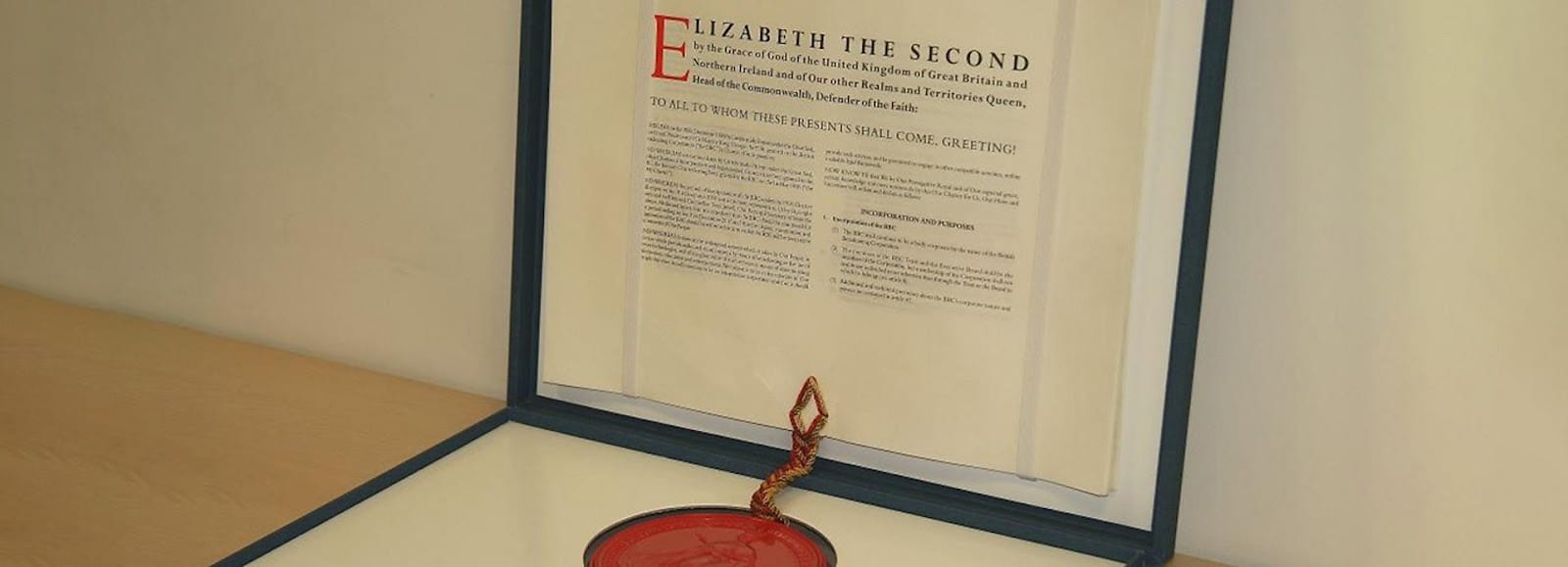
The BBC Charter – the constitutional basis for the BBC – is often kicked around and distilled into a conversation of ‘licence fee good’ vs ‘licence fee bad’, but it is much broader than that. As Tom Mills, Tom Chivers and Dan Hind point out in their briefing ‘Our Mutual Friend: The BBC in the Digital Age’ the upcoming review could be “an opportunity to transform the BBC into a public service mutual, founded on a genuinely democratic relationship with the public”.
5: Celebrate local heroes
People might doubt the BBC’s capabilities. However, turning a muddy field in Somerset into a multi-channel, multi-format livestream of constant music, art and comedy, otherwise known as Glastonbury, is an achievement and it shouldn’t stop there. Why not use the expertise from Europe’s largest South Asian Music Festival, Birmingham Mela? Or giving brass bands from the North the same prominence as classical music at the Last Night of the Proms?
Also, what happened to Tomorrow’s World? Why are there no regular programmes championing Dundee as one the heart of the UK’s creative gaming sector, famously the birthplace of Grand Theft Auto? Where is the modern day Fred Dibnah? We want to build new homes and avoid mouldy ones, so where are the shows highlighting both practical mechanics and how our world is engineered?
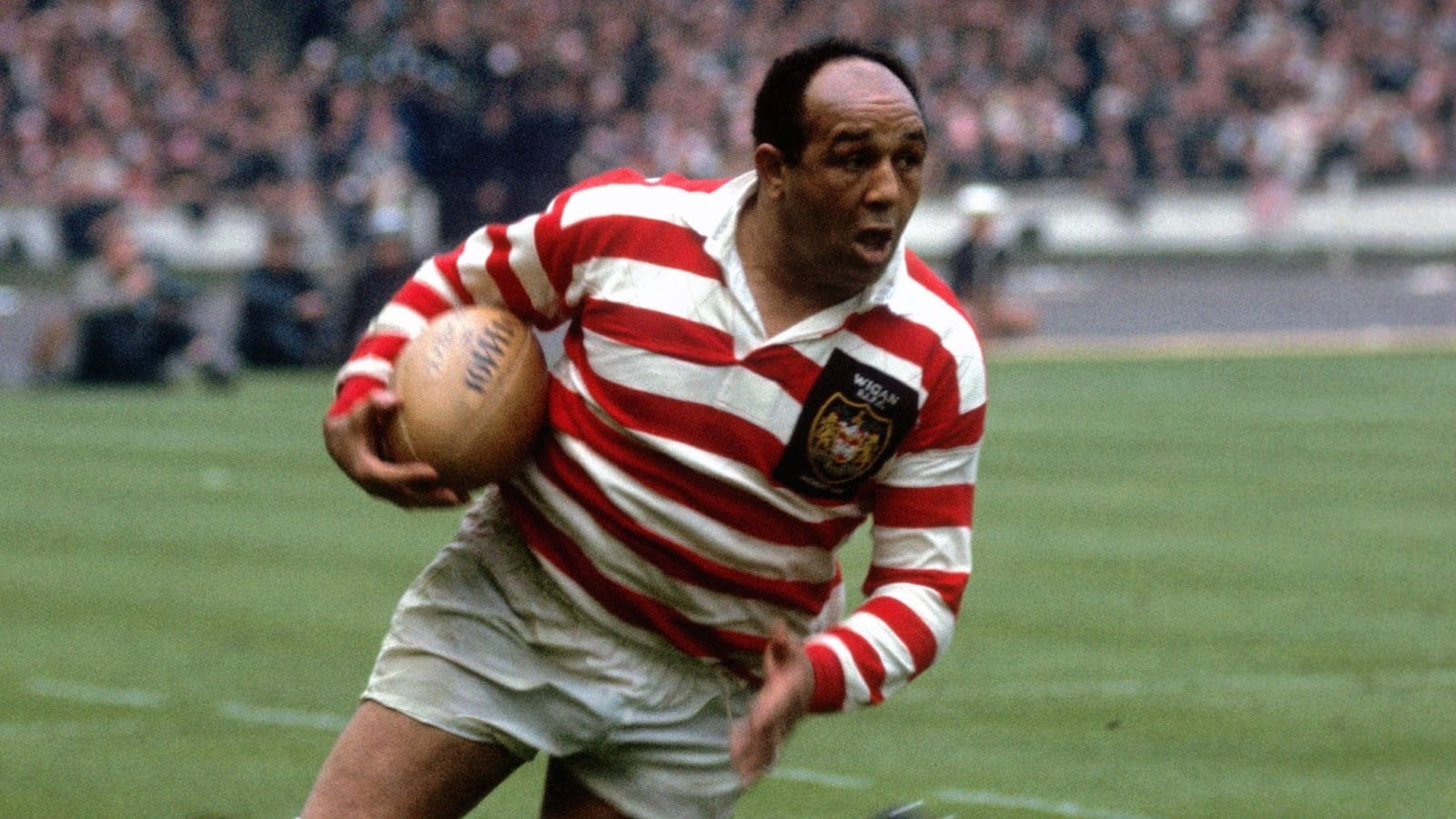
The BBC should use its media might to not just move offices around the country, but also champion its people at a national level. There is a class divide in the recognition of the northern-based Rugby League versus the southern Rugby Union in England, highlighted by the fact it took 130 years for a player from the former to be recognised by the Crown. And what a story Sir Billy Boston had – born in Cardiff, starred in Wigan and a prolific 24 try, 31 cap record for Great Britain in the 1950s and ‘60s as a Black man. Instead of waiting for belated royal honours, the BBC should be promoting and celebrating real life stars – informing and educating, whilst making national sports free to air, so we all stay entertained.
6: A programme of love for the BBC
There’s never been a more important moment to celebrate all we love about the BBC, to remind us what we risk losing and to bring doubters back into the fold. In my first year as Director General, I will direct my duties to celebrate all that we love about the BBC and what makes it so special – here in the UK, and as a global phenomenon.
The BBC appeared to celebrate its centenary in 2022, which bizarrely would correspond to the founding of the (private) Company, not the current (public) Corporation as enshrined by Royal Charter. One of the first things I would do as DG is correct this by celebrating the 100 years of public broadcasting in 2027 and throw a huge party where everyone can take part.
Think of one of the Queen's many jubilees, celebrating all the people of these isles and broadcasting that across the country. This will be a moment to bring the nation together, and an opportunity for real celebration and realignment of the broadcaster for public good.
And Five Non-negotiables
7: Radical regionalism
Reinvest in regional radio hubs (BBC Merseyside, BBC Hull and beyond) as physical civic institutions, places global tech platforms cannot replace.
8: A "trusted" digital space for children (CBBC iPlayer)
A standalone CBBC iPlayer app: algorithm-free, non-social, and trusted by parents, carers and educators.
9: Rapid commissioning
Restore fast, low-bureaucracy routes to air – including reviving The Wednesday Play – to get new UK talent commissioned and broadcast within weeks, not years.
10: Democratise the archive
Open the BBC Archive to the public and education system for remixing and reuse, launching nationwide ahead of the 2027 centenary. Launch a competition to remind us of this great institution and the promise it will make for the next 100 years.
11: Bedroom producers
Redirect the cost of a single episode of a major drama (approx. £1m) into dozens of £20k commissions for young “bedroom producers” to tell stories from around our great neighbourhoods and nations, about what matters where people actually live.
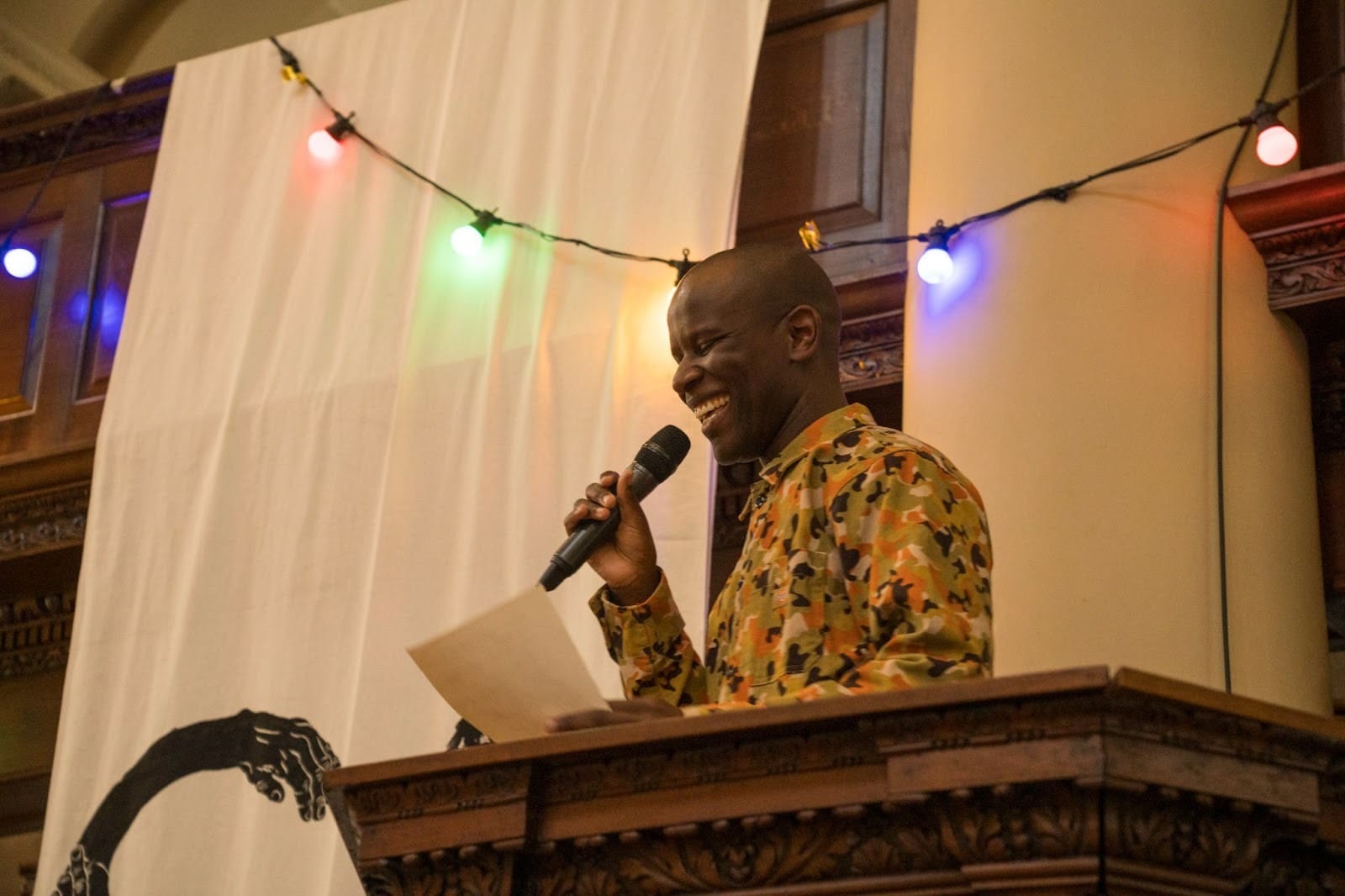
For the avoidance of doubt, I have officially applied for the role and my application was acknowledged. Whether that is the extent of my run or not, that’s by-the-by. The campaign – and the conversation – has begun. I will state my case in public. And hopefully bring others into the conversation who can help inform, educate, and entertain.
So, if you’re worried about where the BBC is headed, and excited by what it could be, let’s go on this journey together. This is a mission not just to become the next Director General, but to open the doors and build together a better way of leading the BBC.
Please share this post! Tag @LoveSsega and #SsegaForDG, and send me any ideas you have for what you want the BBC to be.
Elsewhere in Absurdity...
We are getting ready for Chinese New Year on 17th Feb, which in 2026 is the Year of the Fire Horse, not seen since 1966. Not that we encourage gambling, but I’m off to put a tenner on England winning this summer’s world cup. (You heard it here first). Elsewhere...
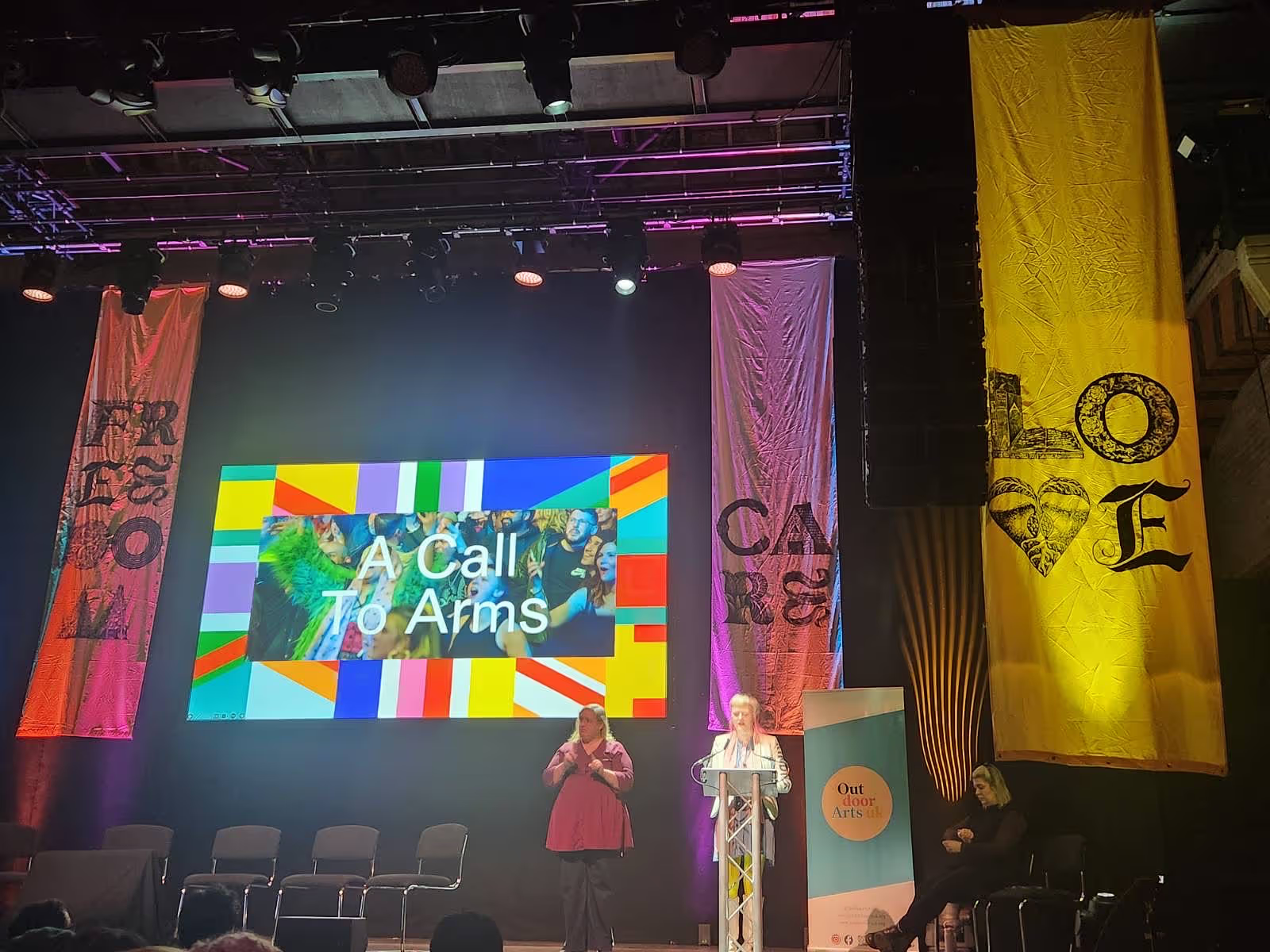
Clare gave a barnstorming keynote speech at this year’s Outdoor Arts Conference, a call to arms for those people who are already brilliant at getting people out on the streets to build better neighbourhoods and take pride in the places where they live. She was joined by a whole bunch of allies, including Charlie, Tracey Sage, Ali Pretty, Roger Silly and more. And just look at those lovely banners! Clare will share the talk on her substack soon.
On Wednesday Alex went to Snaresbrook Crown Court to support the six medics being re-trialled for allegedly breaking the windows of the bank JP Morgan. If you want to feel really sick about the kinds of stuff JP Morgan do, read this from Ann Pettifor on their plotting and profiteering with Mandelson and Epstein...
 Ann Pettifor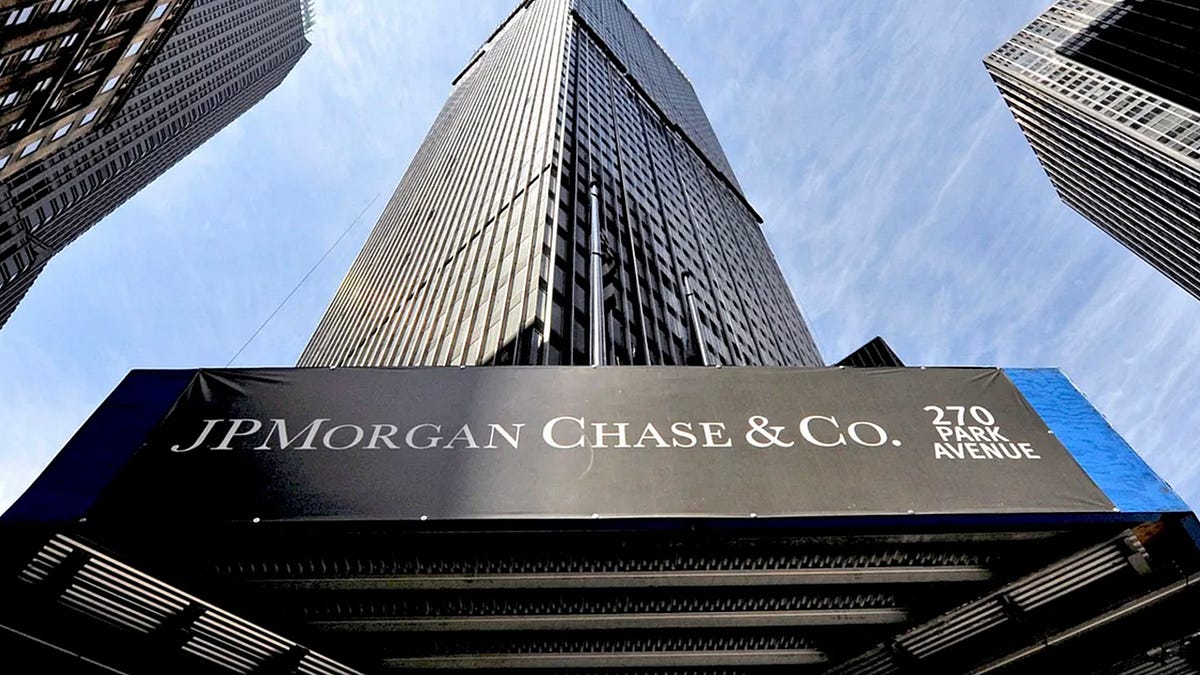
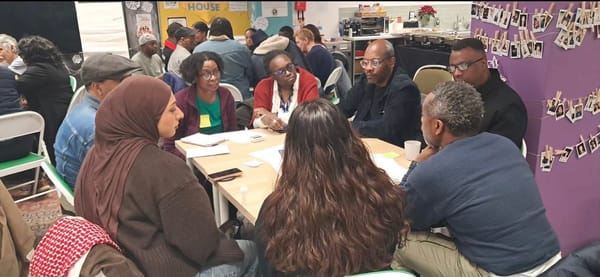
On Monday many of the crew including Clive, Stella, Diya, and Sophie were at Hard Art to work on creative ideas around public sector broadcasting, with Love Ssega and many others (big thanks to Gen for the brilliant organising).
In ethereal elsewhereiness, Clare and Charlie are now part of the new Dark Forest Operating System launched by our friend Yancey Strickler.
And finally also online, Clare is participating in an online course about Gandhi.
#SsegaForDG