We need an ‘Everything Movement’ – this is why
How do we build relational power here in the UK as protests erupt around the world?
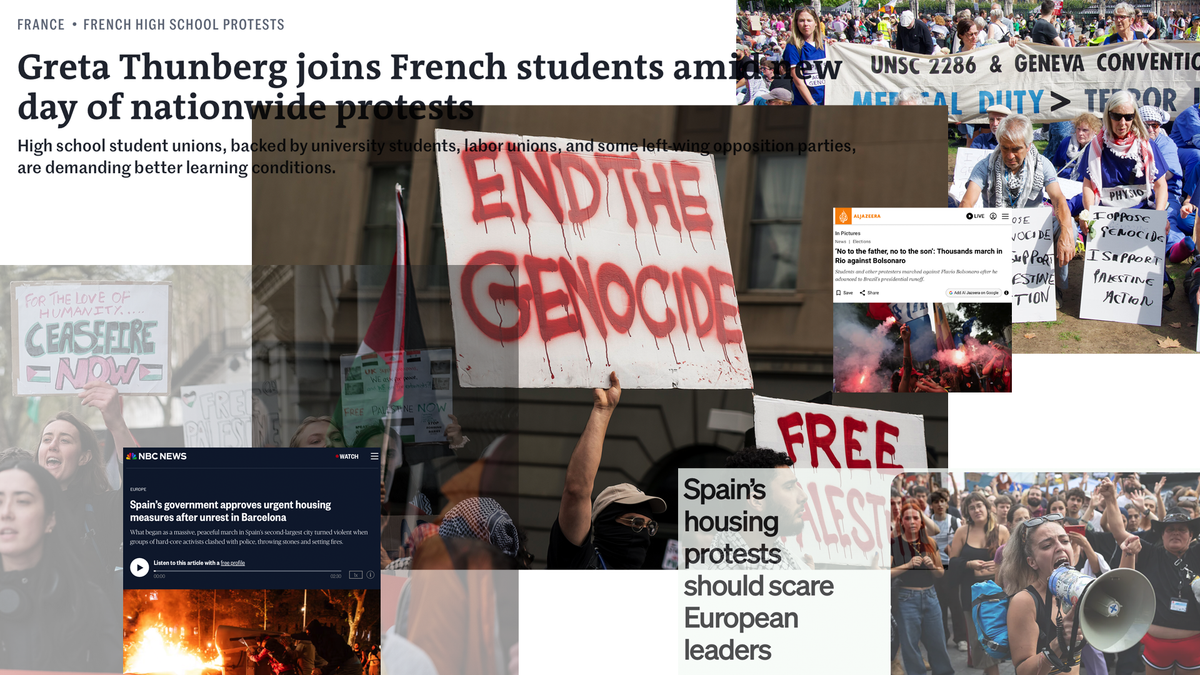
It should come as a surprise to no one that 2026 would end in mass street protests happening in multiple places around the world. A year that kicked off with more major political scandals in one month than we often have all year — the arrest of Nicolas Maduro, protests in Greenland after Trump’s takeover threats, the release of the Epstein Files etc — was bound to end in a bang.
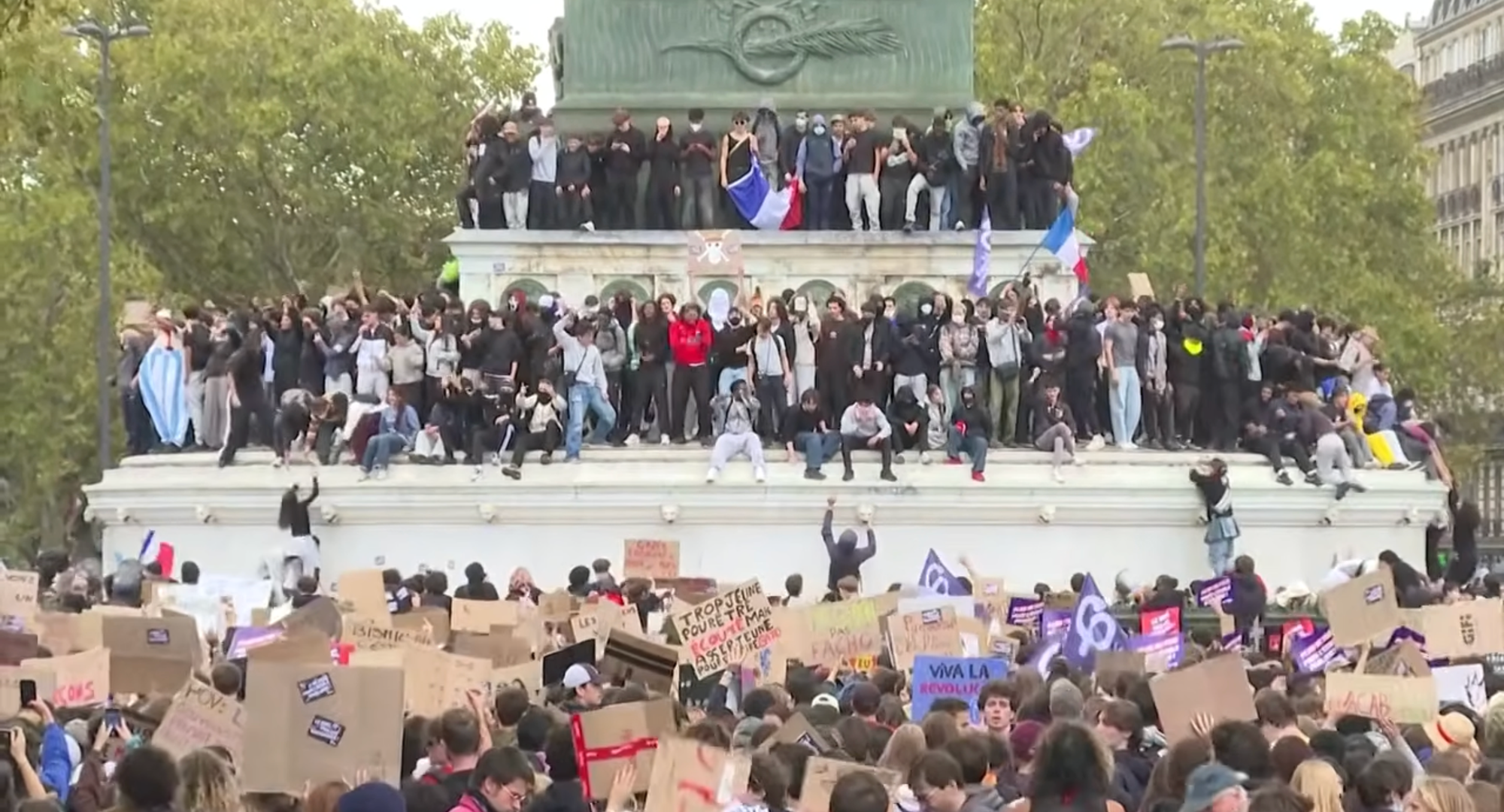
The recent protests in France — where students have taken over the streets to demand better funding in education — have captured the world’s attention.
But France isn’t the only place where people are seizing the moment. Movements are rising on almost every continent.
Could a broad coalition be on the cards? One that unites issues, demographics and divided politics?
Everything to lose
The courage of French students standing their ground, congregating at the iconic Place de la Bastille with that panache and spirited perseverance well known to French resistance, has been brilliant to watch. And greater still, their endurance in the face of increased police violence has the potential to inspire a broader movement for change. There have already been scenes of older trade unionists standing arm-in-arm in front of police to defend the students. There is also speculation of a resurgence of the Yellow Vest movement, with big demonstrations planned this weekend around cost of living and rising fuel prices.
Similar violent clashes in Chile have been taking place as students protest over proposed cuts to education. Across Spain, tens of thousands have marched in multiple towns and cities to protest rising housing costs and call for tenant protections. In Ireland 300k public sector workers are striking for better pay. Student-led groups and members of the Cockroach Janta Party in New Delhi, India, have been protesting over proposed changes to voter lists. In Brazil, hundreds of thousands pro-Lula protestors emerged on the streets in Rio de Janeiro last week declaring “Never Again Bolsonaro” after Flavio Bolsonaro, Jair Bolsonaro’s son, came out ahead in Brazil’s first round of run-off elections.
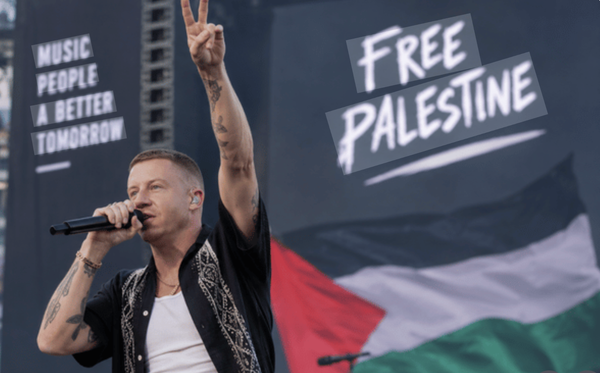
In London this past weekend, thousands took to the streets to stand in solidarity with Palestinians, the first protests of its kind since Ed Miliband declared pro-Palestine protesters "were right" at the Labour conference.
Although the issues differ, people are protesting about the same things: better living conditions, fairness, an end to political corruption and our taxes being spent on genocide and war. Whether or not they see themselves as such, these movements are connected. They’re not happening together by chance. But do they see themselves that way?
Here at home, many have been pondering the question: what next for our own movement?
The summer put it in perspective for us all. With forest fires raging around the world, several as close as the New Forest, North Wales and the West Midlands, many have asked: “Where’s the climate movement?” I found myself wondering that sometimes too, in my more desperate moments. Where are we all? Why aren’t we together, out there, doing something about this?
Of course, I know the answer to that. We have been legislated against so heavily here in the UK that mass protest and direct action has become extremely difficult. People are burnt out, exhausted, just trying to cling onto some normalcy in the everyday. Diminishing numbers are prepared to risk their liberty, now that several have had the experience of it being taken away, or experienced lengthy trials.
Successive governments in the UK have operated beautifully to protect the neoliberal system it exists to uphold, not only by responding to the mass protests that captured the world in 2019 to 2022 — but by shapeshifting, changing tact and absorbing them. Our rights weren’t simply taken away, our freedom of speech crushed: the state adapted so spectacularly to our protests that the idea of disruptive action became an irritation and basically irrelevant.
But, the question still remains: what next for our movement?
Everything to play for
I’ve been feeling all year like something is coming. Like now is the time again for a new movement to emerge. I’m sure many of you feel it too: that pull towards convergence. Like it’s time to come back together and figure out where we are now, and imagine — seriously and collectively — where we could go next.
Given what I’ve already stated above, the challenges of building a successful protest movement, it makes me question whether that’s what’s needed — a street movement with slogans and banners, road blocking and arrests — or something else. Something both rooted and deeply transformative at the grassroots, that can also be confront power, and tie us together in a shared purpose.
Because I don’t think the moment calls for a new climate movement, or a movement for other single issues. And I say that with absolutely no discredit to all of the brave people protesting for or against all of those things and doing this very challenging work. All of this resistance is necessary and understandable. But, the multi-faceted intersecting shitshow, fueled by a neoliberalism that has become so skilled at sucking the life out of our resistance, calls for something else. It calls for strategy. For logistics. A shared vision of a future worth fighting for, a mission where we all have a role. One that we write songs about, sing from the rafters.
We need an Everything Movement.
Everywhere at once
An Everything Movement would gather all of our struggles into the same shared goal. Because we have everything to play for. And everything to lose.
What’s come up again and again in the conversations I’m having is how crucial it is that we build relational power here in the UK. Power in the places that we live, so we’re ready when the shit really does hit the fan.
The great thing is, so many of us are already doing this work! We’re building the network, organising where we live, making friends with our neighbours. But how do we make all of those individual people and places feel a part of something greater than the sum of their parts?
One way is by seeing our everyday lives as already a part of the revolution. If we need to create an Everything Movement, how do we see everything in our lives as a part of that? Canadian psychologist Steven Pinker argues that a silent revolution is already happening, but it remains largely invisible to the public because progress occurs slowly and crises happen suddenly and we’re constantly bombarded by it in negative news cycles. Pinker draws on David Lewis’s 1969 concept that “common knowledge” is needed for coordination, meaning that while many people privately support change, they rarely act until a public event shows that everyone else agrees. That common knowledge can give us the confidence to move from a quiet personal revolution to a formidable movement.
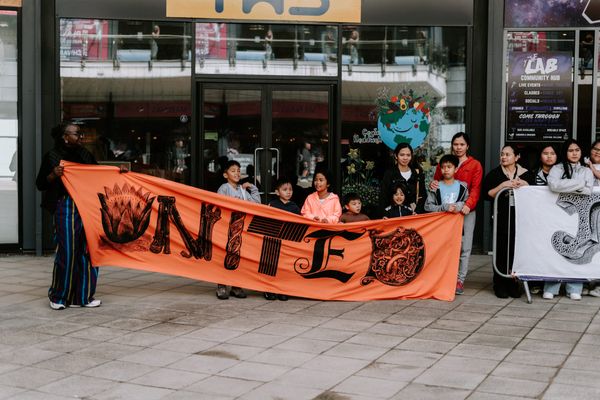
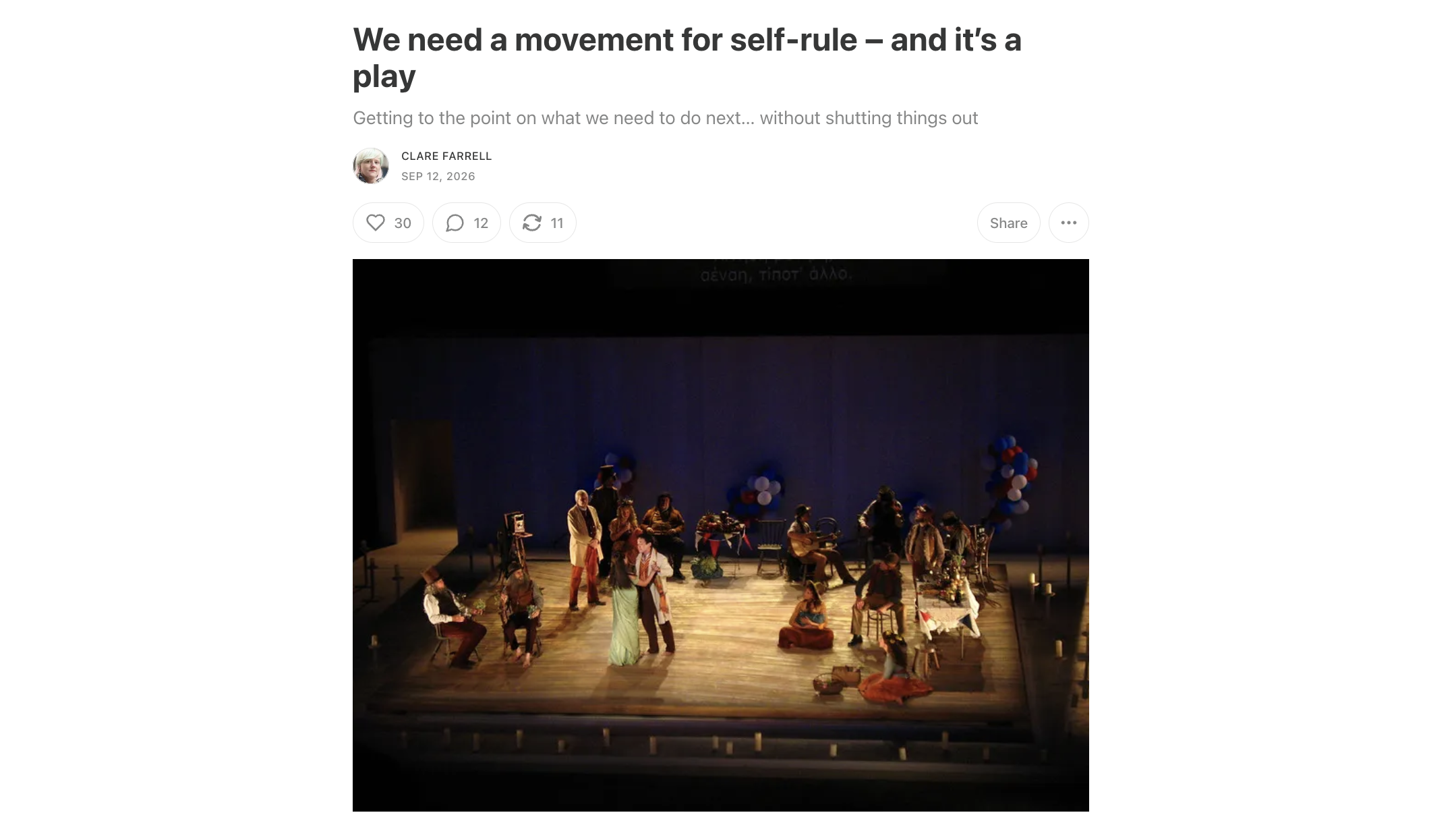
With The Fête of Britain, we centre the great work already happening in communities across the country — arguing that brilliant people are already running their own neighbourhoods better than any government is. If we can help more people realise that this work is a part of the revolution, then we build the Everything Movement bit by bit.
So, we need a strategy to create the conditions for the Everything Movement to occur. I’ve been thinking about this in the following 3 ways:
- Build Relational Power everywhere:
This is the crucial work many of us are already doing, deep organising and relationship building up and down the country. It’s vital that all of our networks are connected so that people across the UK recognise that they are a part of a greater whole, a wider movement for change. We wrote about how the network is the strategy here and here.
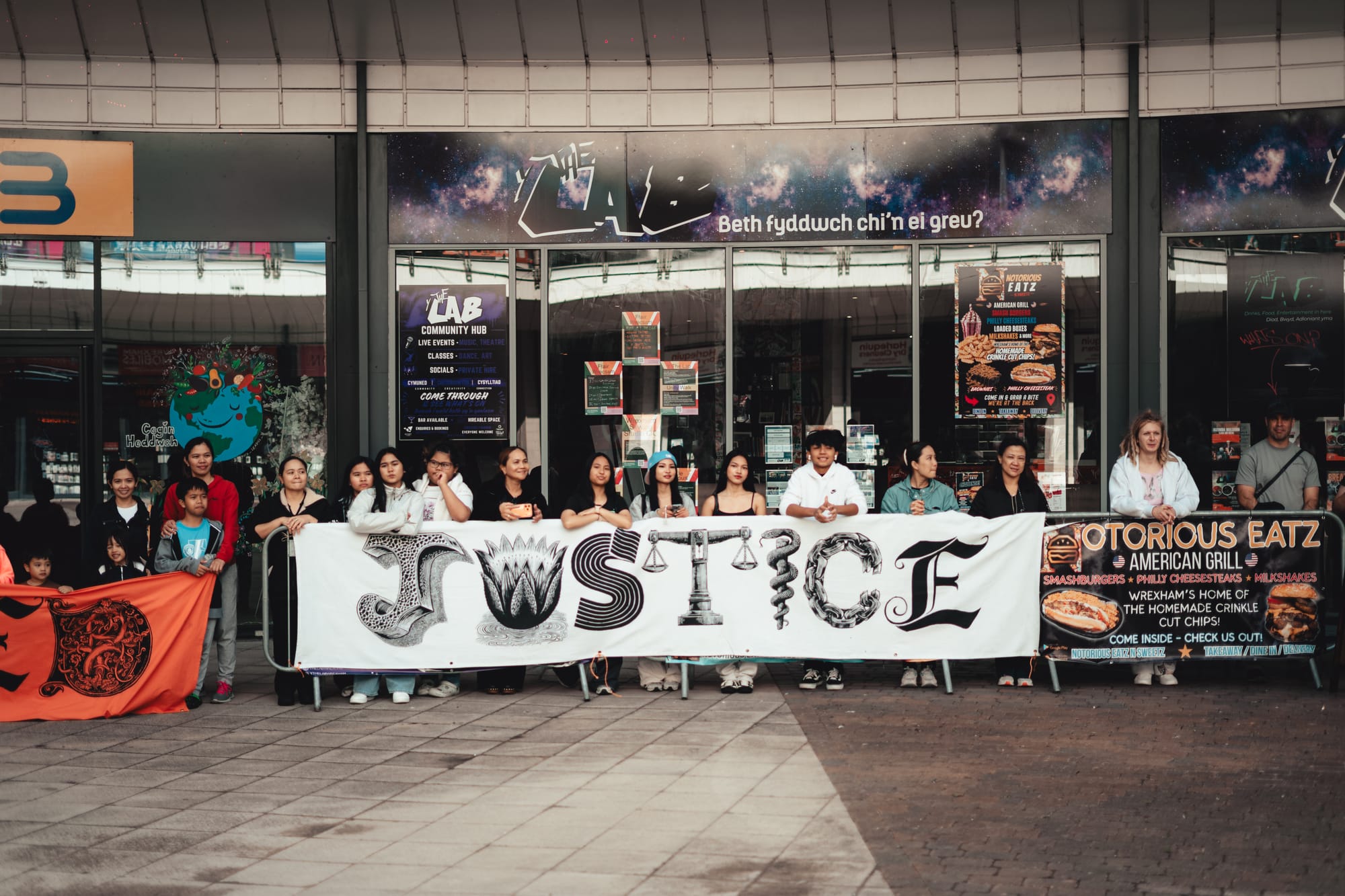
The Fête of Britain is our part in this work. It’s a political project with a cultural invite and we have spoken recently about making it more explicitly so. As the campaign for In Real Life Democracy, we designed the Fête to both incubate and carry the story of a new Britain, while holding space for people to inhabit that story, enact it, learn, skill up and connect. And we know that we tell the story of the new world not simply by imagining, but in doing. We want the Fêtes to be the place where people can congregate and hold difficult conversations, while mobilising an Everything Movement towards a shared goal. - Live everyday like the revolution is already happening
This has been on my mind a lot lately: how do we maintain sanity in the chaos of collapse while recognising that our everyday lives are entirely intertwined in the wider political landscape? If we can see our existence and decision making as part of the work it can help us feel like we’re always moving forward towards something greater. That means in how we choose to live our lives, where we live, our plans for the future and so on.
Aside from doing what we can to buy better, buy less, have a lower impact, what new skills can we learn? What connections can we make? Can we be the good neighbour we want to live alongside in World 2? What can we do locally to build resilience where we live and befriend our neighbours? Can we direct our working lives towards something meaningful that gives us purpose while also contributing to making other’s lives better as well? - Talk about it
This is perhaps the most simple and obvious, but maybe the most important. It’s vital that people are coming together in this moment to connect and talk about what could happen next. Not necessarily with the heavy agenda of having to figure it all out right away. But in the simple understanding that our power is in being together and when we create space to do that and talk, the seemingly impossible no longer feels so. It’s with this intention that new possibilities emerge.
So, host conversations, gather friends, deliberate over the question: what next? and let’s see where it takes us.
Do you have any thoughts on what should come next? How do you see us building an everything movement?
Elsewhere in Absurdity...
Diya, Stella, Clive and Charlie went to the Arcola Theatre to see The Banality of Evil: Hannah Arendt, France, 1940. 🎭✊
Alanna went to see Hardist, Es Devlin's first major European retrospective 'Other Worlds' at the Design Museum. 🎨🕊️
Clare went to the School for Contemplatives in Cumbria last week, which was mystical and brilliant, and this week she's attending the Global Risk and Stabilisation Summit in Reykjavík. 📈🍃
Stella went to Barcelona to put on an exhibition titled: Ensayos de Résistencia (Essays on Resistance) at Akasha Hub, a collaboration between collectives from around Europe on the right to protest. 🪧📢
Diya saw The Strokes smash it at the O2! 🎸👩🎤