Everything, everywhere, all at once
The Shitshow demands it; Europe is doing it

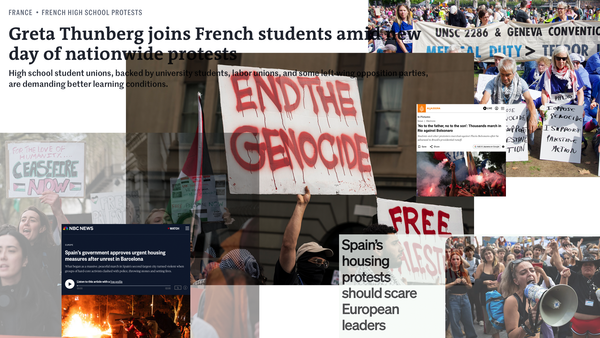
I was in mainland Europe last month as protests were kicking off in France, Spain, Belgium and the Netherlands, travelling for a project that was, with great timing, exploring the right to protest.
What struck me on my journey south to Spain was how the protests were revealing just how interconnected we all are. The problems facing each of our national communities are the same: the rising cost of living, underfunded schooling systems, corrupt governments, the rise of the Far Right, and Big Tech's influence on all of us. These struggles unite us.
So maybe it’s not just an everything movement we need to create but an everyWHERE movement.
The project I was in Spain for was in collaboration with Amnesty International, Arts Rights Truth and three other collectives in Europe: Gear Up, Bascule, and Shift Slow.
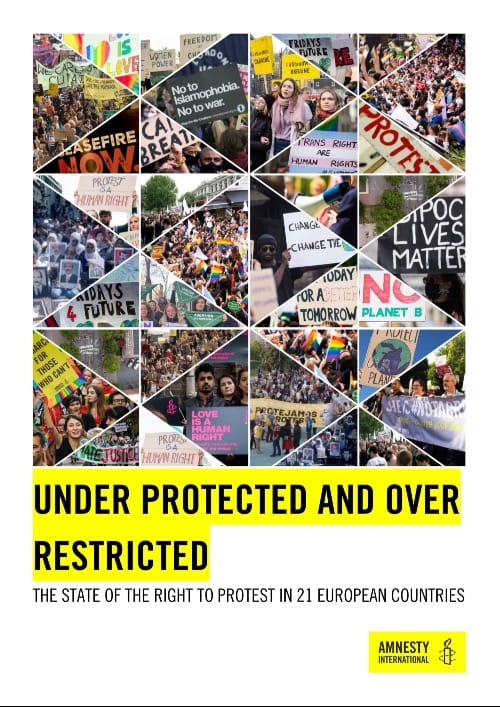
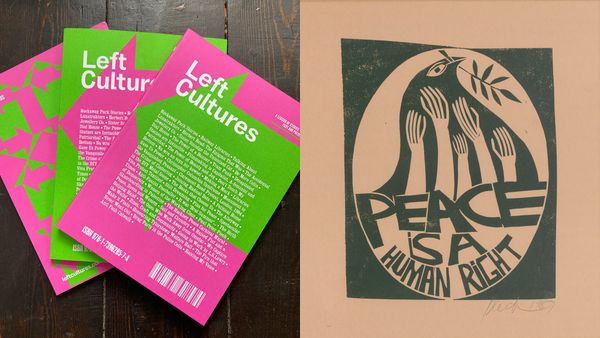
In December 2025 Amnesty commissioned a number of artists to respond to a report titled: Under Protected, Over Restricted: The Right To Protest In Europe (which you can read here).The report draws parallels between European countries and how, through what seems to be a continent-wide consensus, the laws regarding protest have changed for the worse over the last five years. The collectives who responded were from various countries, backgrounds and mediums – from collage and zine, to sound and installation to movement, filmmaking and performance.
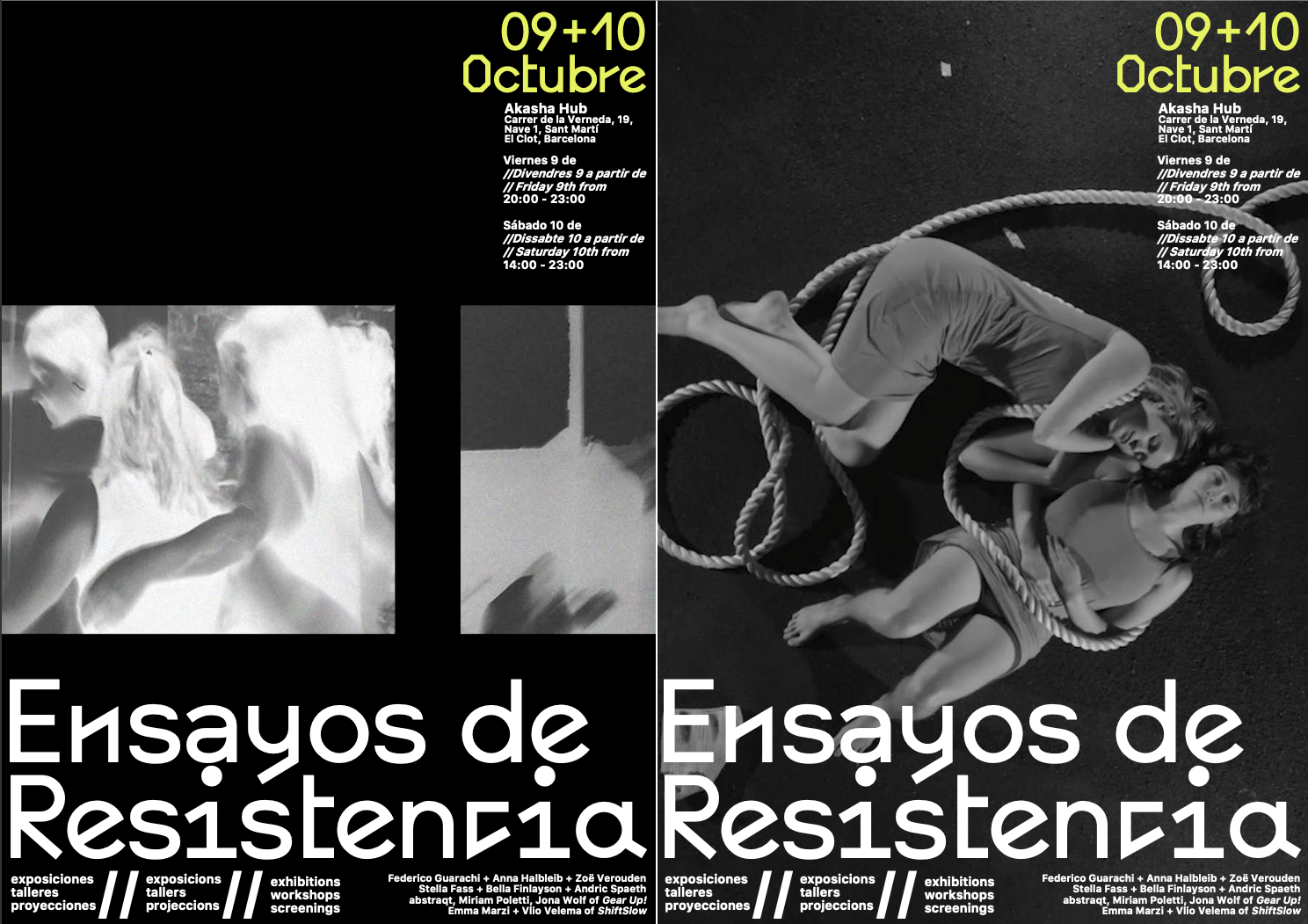
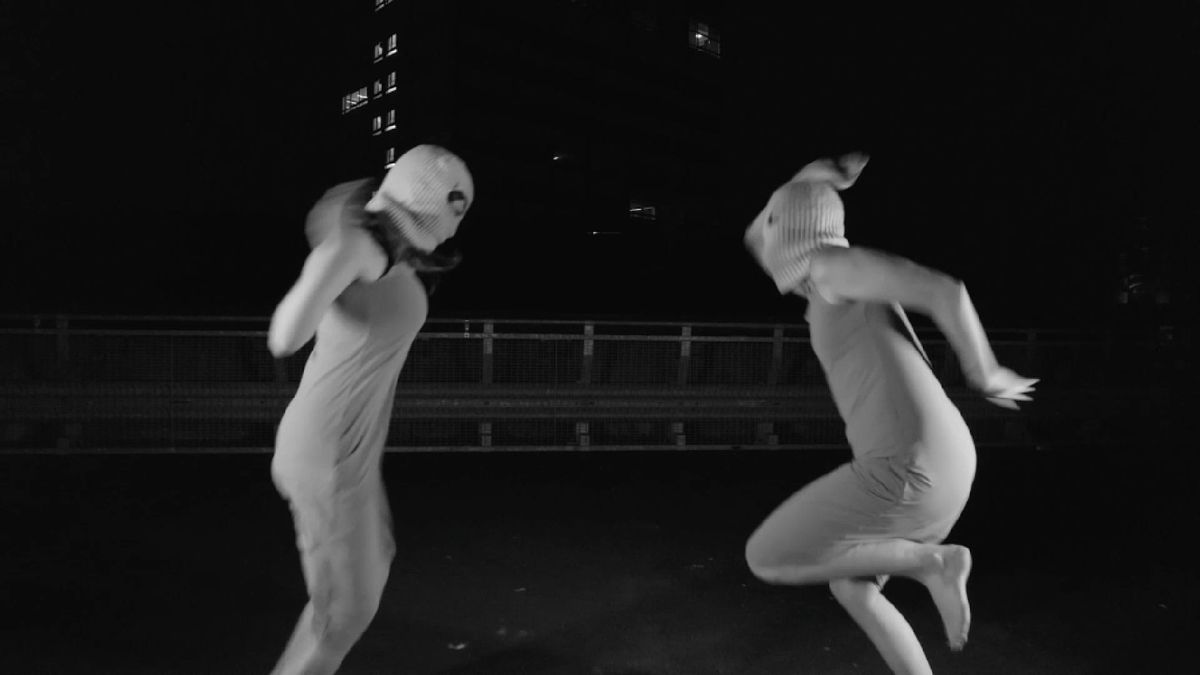
I went to Barcelona in early October to further disseminate the project by helping put on an exhibition titled Ensayos de Resistencia (‘Essays on Resistance’). I was showcasing a film I made last year titled BOUND with my artistic collaborator Bella Finlayson. BOUND is a film about how the experiences of protest and resistance against the onslaught of the multifaceted shitshow remains in our bodies. In the film I wanted to pose the question, How do we process and experience the chilling effects so many of us have been subject to?
The chilling effect, in this context, is what happens when you are deliberately and illegally put off exercising your legal right to protest through inaccessible legislation, surveillance, violent policing and punitive sentencing, something I have experienced when I was living in a forest occupation on the Stop HS2 campaign. BOUND portrays the emotional repercussions of the body being controlled and manipulated.
Part of this processing is moving our bodies. We can see with the protests across Europe that people aren't being held back by the chilling effect, rather they are taking agency and control of their bodies and therefore their right to use them in protest. We are choosing to reject this chilling effect by moving through it and embracing collective action. We know mood follows action so if you want to shift a mood, feeling or attitude, start by mobilising and moving your body.
This frustration at the world we live in is reaching boiling point. People coming together across countries and cultures is a sign we’re all desperate to find solutions. The fact that so many of our workshops were creative and the people who attended were artists in some capacity tells me that in order to create the world we want – which we’ve started calling World 2 – it’s going to take a lot of imagination. That, and the kind of solidarity and collaboration that can and should transcend nationhood.
If you regularly read our newsletter you will have seen Alanna's brilliant piece on creating an everything movement (you should read it if you haven't). What struck me being in Barcelona – with its long history of Catalan refusal – is that people are willing and ready to take action and get directly involved with resistance. There is a spectrum of course, from street protests through to the much quieter, often invisible community organising. And yet the people enacting the concept of World 2 are part of a movement that is happening everywhere, without people necessarily calling it that.
And often people are involved across the spectrum. I noticed those I was staying with and talking to in Barcelona were involved in various local community projects such as hosting queer community groups, food projects through squats as well as being involved in various campaigns such as the occupation of La Plaça de Catalunya protesting the housing crisis and the ICL environmental mining protest.Everyone investing in their country and building future resilience infrastructure in their community, whilst still protesting the old systems.
The exhibition of the artworks responding to the Amnesty report took place at Akasha Hub, a coworking space that serves the community at El Clot, an old working class neighborhood famous for its honey production and one of the oldest market places in Spain. Akasha Hub also had a workshop where they were teaching a host of international teenagers furniture building. These spaces are precious here and in Barcelona essential to community organising and political resistance.
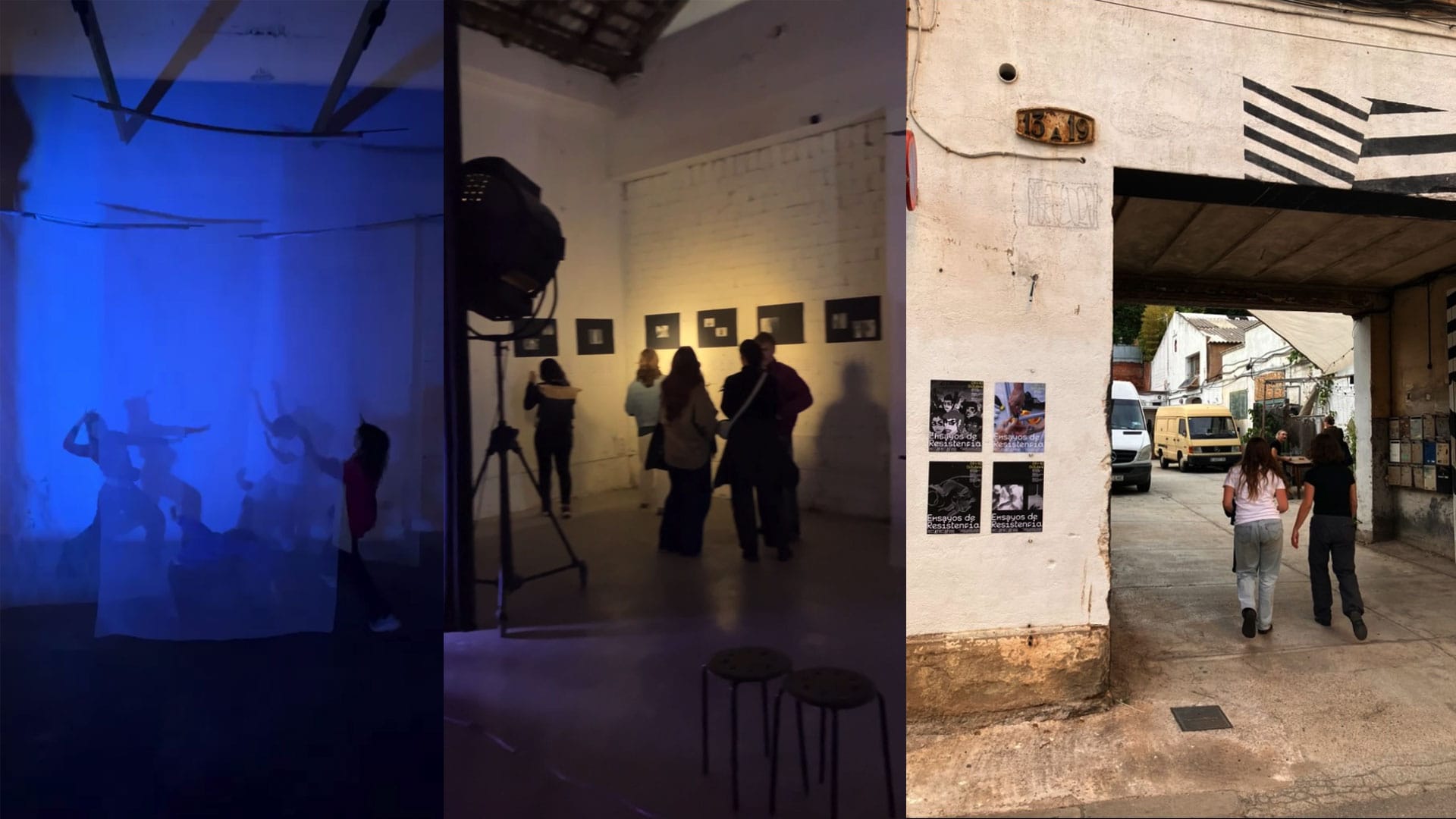
It was powerful to be amongst a wider European network of people thinking about protest and how to re-imagine the world from Shift Slow's degrowth festival in Italy, Gear Up's live work at protest in Germany, and Bascules' experimental expression of protests in exhibition in Spain.
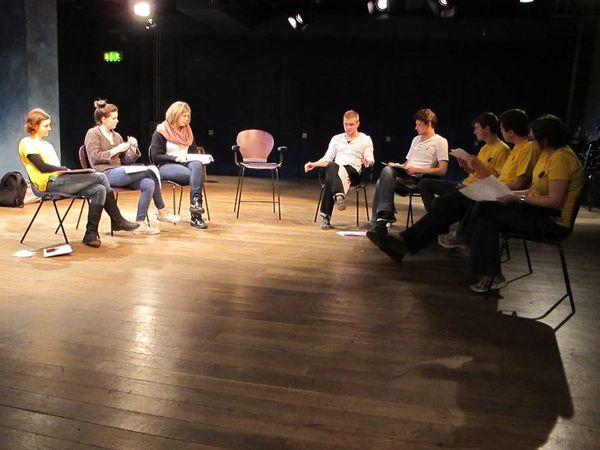
Part of the commission from Amnesty was to build bridges between countries and mediums. This is something that has helped me realise an interconnectedness between our struggles in a very embodied way. I ran a workshop about imagination and the embodiment of protest; how we feel in our bodies when protesting and subsequently how this feeling can then drive action. It showed me our bodies and emotional experiences are very similar, and what we feel when taking action is the same whether you're in Germany, India, Serbia or the UK. A sense of connection with our community, a feeling that we are not alone but part of a bigger more expansive movement.
In Europe the borders feel much more fluid. That of course could be geographical. We are after all an island nation that subjected itself to Brexit. But the feeling I get when in France, Italy, Greece or Spain as part of protest movements is a sense of great national pride whilst acknowledging you are part of a wider whole, an international community and not an isolated nation. There seems to be more communication and learning, more exchange of ideas and visions to create a better world.
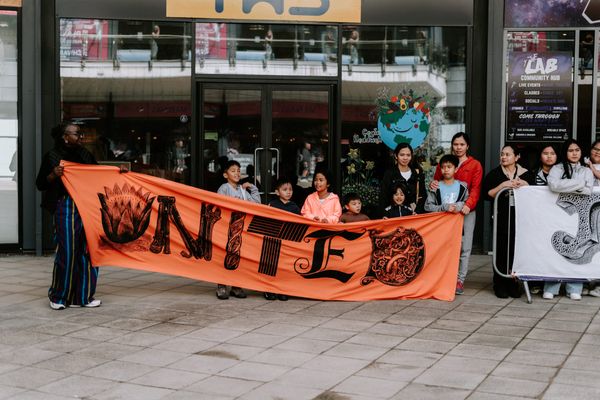
It really brought home how important it is to do the work at home but not lose sight of the lessons and teachings of our neighbours. The importance of convening in real life and connecting with people in Barcelona was a reflection of the work we do here at Absurd Intelligence and with the Fête of Britain, and how our strategy is developing as movement building – by convening as many organisers and artists as possible in specific locations to then connect them to a wider movement emerging around the country.
Reimagining what it means to be part of a nation and how our national identity shapes how we understand ourselves and therefore each other, is critical to building bridges of solidarity.
Some of this work to create World 2 is leading us to imagine experiences where people can inhabit and embody the future we want (see Clare’s writing on The Play). We know that to create resilient national identities that are at the same time welcoming and open, we will need to work with other nations and cultures around the world. National identity is only strengthened by international solidarity.
That’s why I believe not only do we need an everything movement… that movement needs to be everywhere.
What we’re reading...
One of the biggest lies of neoliberalism was Thatcher’s TINA – There Is No Alternative. The economist Guy Dauncey has gathered together a list of the now 146 (and growing) alternatives to the neoliberal economy. TINA works like what some friends of ours call a “deep disposition”, an ingrained belief so ‘common sense’ to us that we don’t question it, and live our lives as if it is both natural and unchangeable. But it isn’t normal, and it can change. If you want to learn more about how, you can attend their learning studio on Nov 19th.
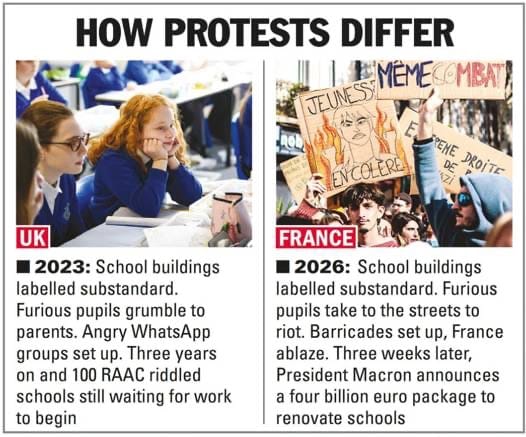
In the world of protest, Andreas Malm was barred from entering the UK to give a talk, People Against Genocide broke into Ultra I&C in Hertfordshire, a weapons facility and supplier of Elbit Systems and Israel’s military, Misan Harriman reminds us not to get too carried away with the Democrats, and of course some reflection on how protests in the UK and France differ:
Finally, we also loved hearing from Se about the Outdoor Arts UK conference coming up in Hull in Feb 2027. And we can’t sign off without sharing our friend Adam’s dangerous mission into the “no go zone for white people” that is... Luton, featuring our friends at Marsh Farm Outreach.
Elsewhere in Absurdity...
John has been genninng-up on Geels’ paper on the Dynamics of Transitions in Socio-technical Systems from 2005 – his example carriages to cars offers a useful model for thinking about AI.
Alanna and Clare went to see Blindboy talk to Gary Stevenson at The Barbican.
Stella saw The Bridge by Alaa Shehadaat at the Bush Theatre.
Charlie and Stella both went to see Ken Russell’s The Devils, and are now obsessed.
And we all went up to Wigan for the latest instalment of the Fête of Britain!