If I was in charge...
The third in our summer series of Absurd Ideas for making a new world, this time from our Clare in response to the fires across Europe, and the mainstream media’s lacking response.
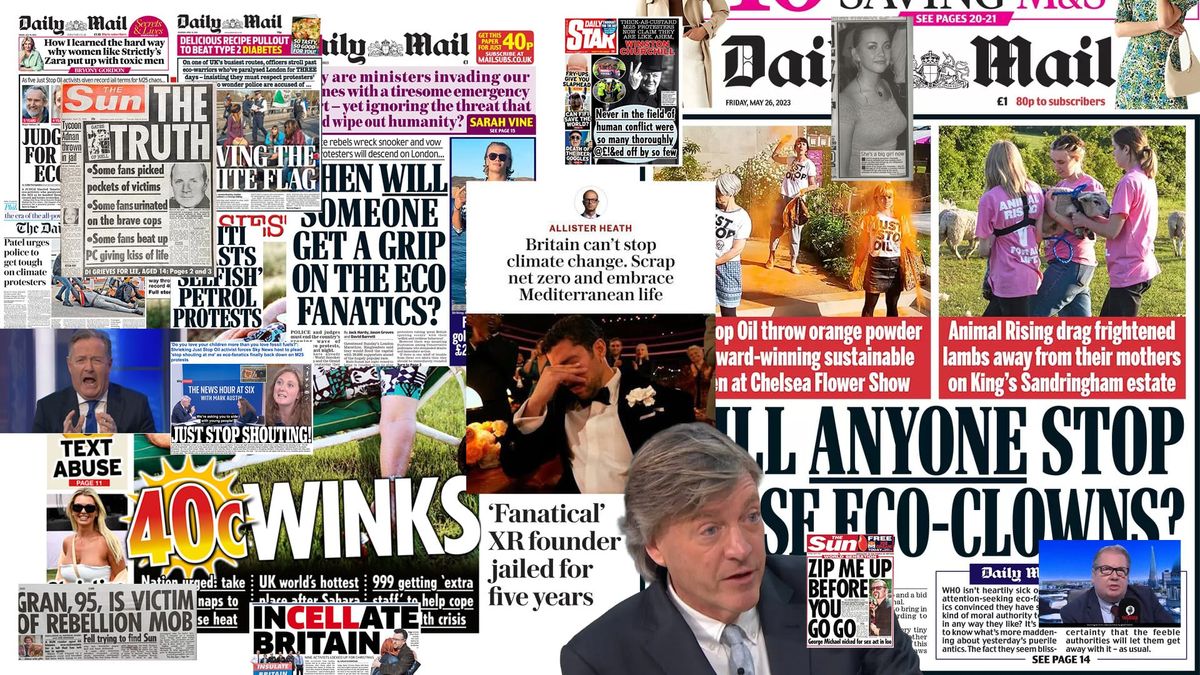
If I was in charge, one of the first things I would do is insist Media Health Warnings were put on newspapers and displayed before news programmes, a bit like you have on packets of cigarettes.*
You know, the labels that tell you you might lose all your teeth or get lung disease if you consume their product. Instead, these would warn you about the possible risks of deception the news you’re about to read might provide.
So, every print newspaper would have to use 65% of its front cover to explain the brief they have worked to produce its contents (65% is how much of the front of the cigarette packet has to be given over to the health warning.) It should ensure we understand that news is entertainment, it's made for profit, and that the law has changed so that corrections are made within days and appear on page 3!
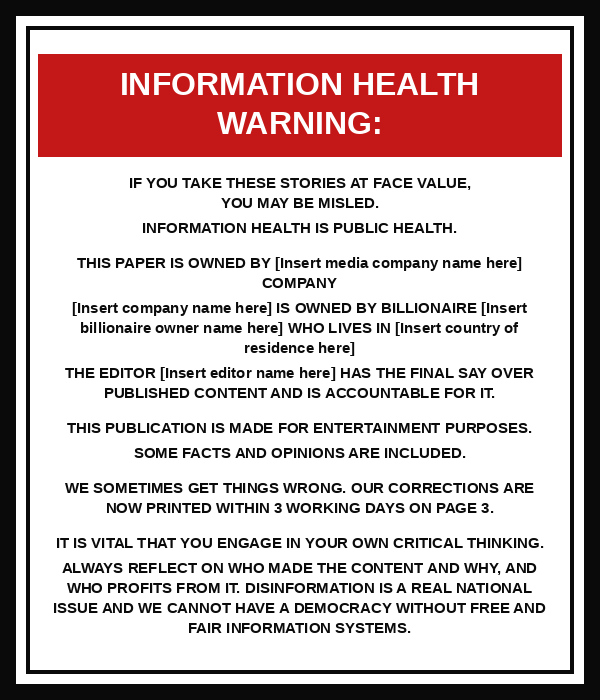
This, in my opinion, is a crucial first step towards urgent intervention in public awareness and information sharing. Because if we don’t have a shared understanding of that then mainstream news is only going to become more and more unhinged and inane. If public risk awareness of, say, biodiversity collapse, is becoming a national security threat (people cannot respond to a risk they cannot see they are in, and both the government and the media are trying to hide the truth), it's akin to a public health emergency. So too is the proliferation of AI generated mis and disinformation, slop, and deep fakes.
More than 20 years after Maxwell and Jules Boykoff exposed “balance as bias” in climate crisis reporting, and as the mainstream media continues to fail us on an existential level about the risks we face from climate and ecological breakdown, I’m left wondering: what could be done to meaningfully address the media’s failure to help us make sense of the world?
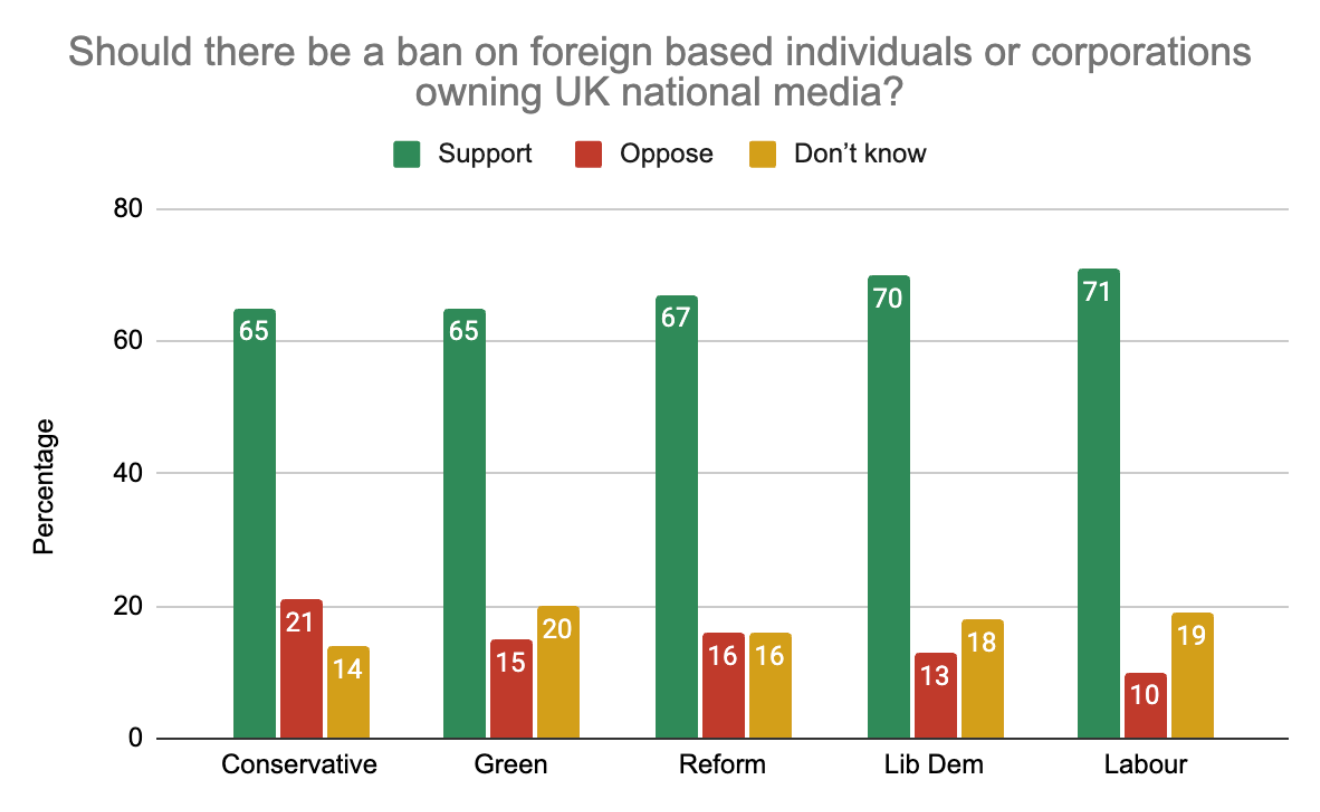
Billionaire non-dom ownership of the media is clearly completely unacceptable. Even saying so feels redundant because the whole thing is so obvious. This is not a niche opinion, the majority of the UK public agrees. According to recent polling from the Media Sovereignty Act Campaign, 63% of the UK public would support an outright ban on foreign billionaires owning our news. The same number would support a ban on one company or an individual owning more than one national newspaper or broadcast corporation. The results are in, and from left to right, it doesn’t bode well for Murdoch and Lord Rothermere (sign the petition here!).
Now, on top of billionaire ownership, we face an onslaught of AI-generated crap, amplifying humanity’s capacity for industrial-scale deception. Truth becomes distorted to manufacture public inaction on issues that will cost people — and their children — their lives, all while pockets are lined elsewhere.
What could be done to reasonably curb this and empower people to use their own critical thinking when considering which news to take seriously?
What even is “the news”?
Back in 2019, I gave a lunchtime lecture at the ITV headquarters in London. There was a Q&A at the end and I took the opportunity to ask my own questions during the session, rather than sit at the front and simply speak at people.
I asked something along the lines of, “Sorry for the stupid question, but what actually is the news?”
The response blew my mind. I had assumed the news operated under some recognised standard, that there might be a charter defining news as a public service, bound to bettering civic life.
Instead, the answer was essentially: Well, it’s a combination of things, information you wouldn’t have known yesterday. Part in service to the public good, yes. But also part entertainment.
The age-old phrase “if it bleeds, it leads” is alive and well, it seems.
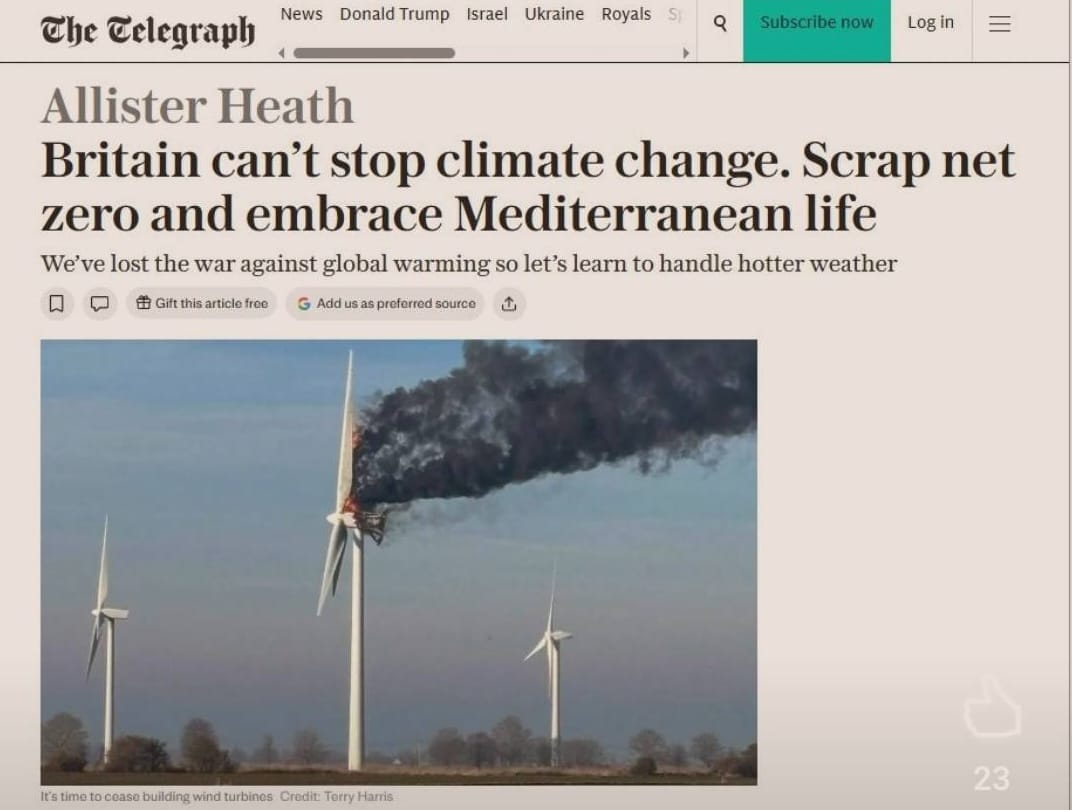
The response was vague. What’s termed as public interest seems to have been thrown so far into question at this point that nobody really knows what it means. And drama, dilemma, and debate over basic morality and truth will always win out with producers and editors, because that’s what captures people’s attention. In other words, especially with profit motives up on top, clickbait is the priority. (The editor of The Telegraph, Chris Evans, was this week described as printing “whatever makes noise”.)
Combine that with the attention economy and the extreme volume of self-made digital content with no editorial oversight, and we find ourselves almost in a journalism-free world. So few now have faith in the news that they are choosing to make their own instead, and listeners build relationships with podcasters like Joe Rogan rather than with institutions like news outlets or papers.
Those who do continue to make a living from the industry are either elevating their careers to become politicians, or have become so utterly defensive to the slightest criticism that it’s very obvious to me that, deep down, they know their work has been turned into a complete joke by the institution that employs them.
The Fourth Estate
When Extinction Rebellion blocked the printworks at Broxbourne and Knowsley back in 2021 and prevented the delivery of millions of newspapers, much of the mainstream media called us fascists. The Telegraph removed its paywall for several days and displayed an illustration of a lion, mighty and screaming in the face of a tiny protestor holding a sign on their homepage, claiming they were going to scrap their entire climate desk because of us. Journalists rang our phones to tell us we were like Hitler. In their eyes, we had done the inexcusable because they are the Fourth Estate and we were apparently trying to destroy a pillar of functioning democracy.
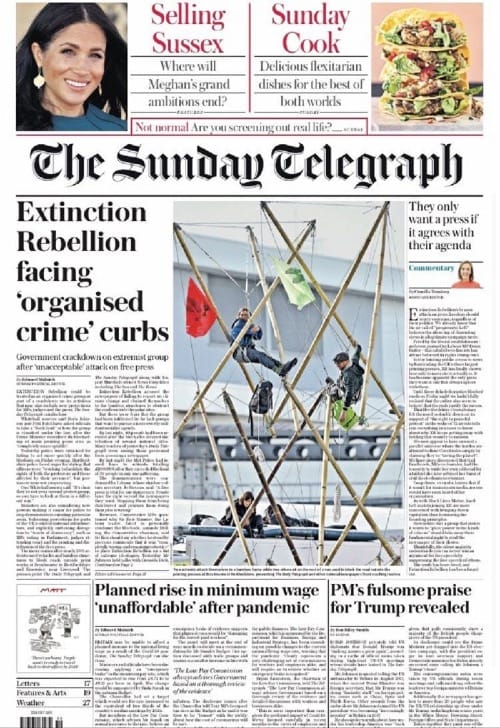
This response showed me all I needed to know about the truth of our times. This protest, meant to expose failures of climate reporting, instead exposed their predicament. They can’t keep their identities or jobs intact if they admit what’s really going on: that their profession has made this crisis of understanding practically inevitable.
This failure of one of the four pillars of modern democracy has done more to facilitate our demise than lobbyists whispering in politicians ears. More than those pouring millions into swaying policy. The corporate media has been punching down on the general public, not keeping power in view or in check.
The People vs Goliath
Essentially, it isn’t possible to shift this monolith of media power unless all media organisations are forced to move together. And the only thing we have in society that can make things move all at once is the law.
With the polling from the Media Sovereignty Act and a legal crackdown on disinformation and media bias, lies about the climate crisis could be brought to an end. It must. It is the most deadly rot at the heart of our information machinery.
So I've tried to think about what would be a decent response if I was in charge and could pass into law overnight, aside from banning billionaire ownership and seeing through the cases being leveled at the Telegraph by the Climate Genocide Act Now campaign? If I could do absolutely anything, how would I stop some of the harm being done right now, while keeping press freedom in place?
The Media Health Warnings would be a first step. They would show the public that information is a public health issue. And for public health issues, we have a playbook for how to manage this already. We began with the health warnings on smoking long before the bans were brought in. That campaign was a relentless reminder that this product could kill you.
For Media Health Warnings, they would remind us that we must not believe everything we’re told is fact.
*I thought I’d come up with a new idea, but of course when great ideas don’t become reality, they keep coming back to new people. The groundwork was laid by Rolf Dobelli, whose 2010 essay “Avoid News” set the terms; he later expanded it into the book Stop Reading the News. In 2023 essayist Adam Mastroianni wrote “Reading the News Is the New Smoking,” imagining a future where newspapers “carry big warning labels”. The proposal jumped from commentary to policy proposal in 2024, when US Surgeon General Vivek Murthy published a New York Times op-ed calling on Congress to require warning labels on social media platforms similar to those now mandatory on cigarette boxes, arguing that “social media today is like tobacco decades ago: it’s a product whose business model depends on addicting kids.”
Elsewhere in Absurdity...
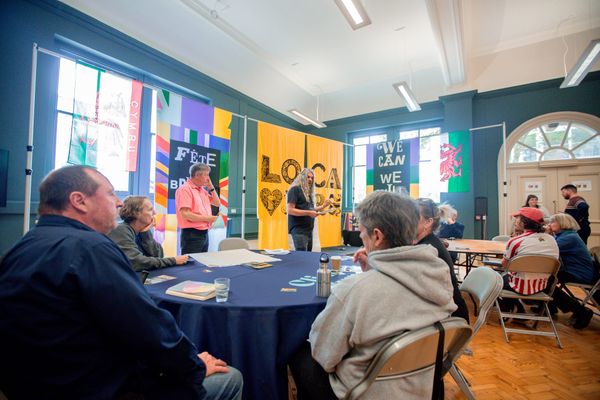
The Absurd crew headed to Luton to visit the team at Marsh Farm Outreach, the workers-cooperative doing absolutely incredible work to bring people together and support the local community. It was a day of Fête planning, stone circles and sharing epic stories about the radical history of Marsh Farm!
Stella went to see the Oresteia at the Bridge Theatre which was very long and very epic.
Alex met the Life After Oil crew as they develop their strategy for how to help more conscientious quitters leave the oil and gas industries and find their voices for change.
Charlie was very disappointed at the lack of goths at Nick Cave & The Bad Seeds’ Brighton gig, but it was quite sunny 🦇.